Q&A on the 2-3 Press Forecheck

Q&A on the 2-3 Press Forecheck

Coaches' Corner, Offensive Zone, Philosophy, Team Systems
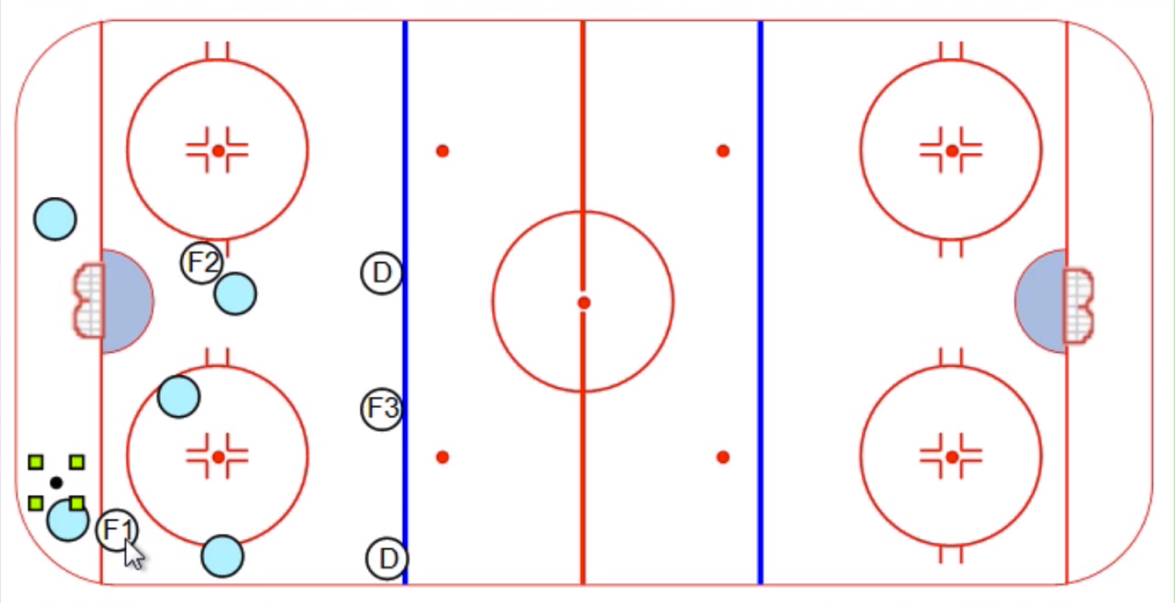
How to Convert the 2-3 Press into Offense after the Transition I recently received a question on the 2-3 Press Forecheck. The question looked like this: Jeremy, How do you transition from forecheck to offense when you create a turnover in the 2-3 press? It seems tough to run a cycle because you will draw players out of good defensive position. Nick I decided to answer it in a post, rather than to try to explain it via email or blog comment. Here's a quick summary of how it works: How to Convert the 2-3 Press into Offense after the Transition 1. F1 Drives deep and hits the puck-carrying defenseman 2. F2 Reads the play, and supports F1 3. F3 sets up on the blue line, between the two defensemen…
Read More
Rick O’Shay Hockey Targeting System

Rick O’Shay Hockey Targeting System

Hockey Drills, Hockey Equipment, Off-ice Training, Shooting, Skills
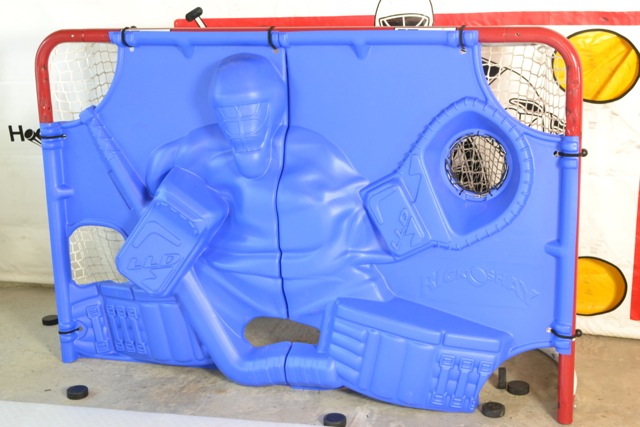
The Rick O'Shay gives an alternative perspective to the conventional "Shooter Tutor" style, roll-up canvases. The Rick O'Shay is a great hockey targeting system that gives an alternative perspective to the conventional "Shooter Tutor" style, roll-up canvases. Since it's a 3D mold, there are endless rebound possibilities, which makes for a much more realistic scrimmage experience. Construction: The Rick O'Shay is made of super durable plastic, which will hold up to your hardest shots. In addition to being durable, it is also very light weight, and can be separated into halves, which makes it easier to transport. The Rick O'Shay is fastened to the net with bungee cords that fit between molded channels, which provide a shield against shots. Design: The most obvious difference between the Rick O'Shay and most…
Read More

1-2-2 “Foosball” Forecheck: IN ACTION

Coaches' Corner, Offensive Zone, Philosophy, Team Systems
Here's a great example of the 1-2-2 "Foosball" Forecheck in action The 1-2-2 "Foosball" Forecheck can be a great set-up if you have the right type of team for it. This forecheck requires speed and discipline. If you lack either of those attributes, it'll probably fall apart for you. Here are the main key points on this set-up: 1-2-2 "Foosball" Forecheck 1. F1 "flushes" outside in, and chases the puck no matter where it goes 2. F2 and F3 set up at about the tops of the circles, slightly narrower than the dots 3. D-men set up the same distance apart as F1 and F2, but they're at the blue line 4. As the play moves up the boards, the strong-side forward hits the receiver, strong side d-man seals the…
Read More
X-Deviator Hockey Stickhandling Aid

X-Deviator Hockey Stickhandling Aid

Coaches' Corner, Hockey Drills, Hockey Equipment, Individual Skill Drills, Off-ice Training, Skills, Stickhandling, Useful Products
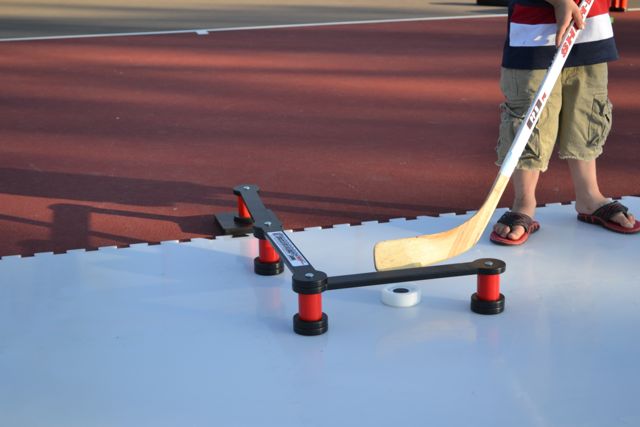
Develop Stickhandling Abilities with the X-Deviator I've mentioned this before, but there are a number of skills that can easily be developed off the ice. I'm a strong believer that players who don't take advantage of off-ice training time are leaving precious skill development on the table. Stickhandling is one of the easiest skills to work on at home. XHockeyProducts has put together a great line of hockey training aids that is both fun and effective, which means players will be more motivated to work on their skills off the ice! The X-Deviator: The X-Deviator is a new take on hockey stickhandling aids. The biggest difference between the X-Deviator and some of the other stickhandling aids out there is that the X-Deviator is adjustable. Each joint on the X-Deviator swivels,…
Read More
Swedish 5-Pass & Shot

Swedish 5-Pass & Shot

Hockey Drills, Individual Skill Drills, Neutral Zone, Passing & Timing, Regroups, Team Skill Drills, Team Systems Drills
Swedish 5-Pass & Shot The Swedish 5-Pass & Shot drill is a great way to work on some of the passing and skating patterns used in regroups. This is a more advanced drill, so make sure you have the right group for it before giving it a try. Here's the diagram: Swedish 5-Pass & Shot 1. On whistle, first player from each diagonal line leaves without a puck (only one line shown here to keep the diagram simple) 2. First player skates across the blue line, receives a pass from the second player of the opposite line, then touch-passes it back 3. After passing it back, he or she loops around the top of the center-ice circle, receives a pass from the same line he or shee left from, then…
Read More